


If you are preparing to sell your Kansas City home, you might be wondering how to price it right.
Should you list high and leave room to negotiate? Should you match the most expensive home nearby? Or should you price slightly below market to create competition?
In today’s Kansas City market, the answer is usually simpler: price your home where buyers already see the value.
That is the idea behind the 15-minute rule. A well-priced home can capture attention almost immediately after it hits the market. It may attract showing requests within the first 15 minutes online. More importantly, it can generate strong activity during the first 15 days.
An overpriced home can receive the same online exposure but produce a very different result. Buyers look, compare it with better-priced options, and move on.
What is the 15-minute rule?
The 15-minute rule is not a literal promise that your home will sell in 15 minutes. It is a way to understand how quickly buyers form an opinion.
When a new listing appears, buyers often evaluate it based on:
- Price
- Location
- Photos
- Condition
- Features
- Estimated monthly payment
- How it compares with other available homes
If the price fits the home’s condition and location, buyers are more likely to click, schedule a showing, and make an offer.
If the price feels too high, buyers may not even visit. They can often find a similar home in Overland Park, Lee’s Summit, Olathe, Liberty, Blue Springs, or another nearby community that offers more for the same money.
The first few days matter because online interest is highest when a listing is new. The first two weeks matter because buyers and agents begin to notice whether the home is attracting showings and offers.
Your best opportunity to make a strong first impression is usually when the home is brand new to the market.
What Kansas City market data tells us
Kansas City is still a competitive market in many price ranges, but buyers are more selective than they were during the peak of the pandemic-era market.
According to July 2026 Heartland MLS data, homes that closed spent about 36 days on the market on average. Inventory was approximately 2.6 months of supply, which remains below the four-to-six-month range often associated with a balanced market.
Sellers also received about 98.1% of their original list price on average.
That is encouraging. But it does not mean every home sells quickly or receives full price.
The current market has two groups of listings:
- Homes that are priced correctly and presented well
- Homes that start too high and require adjustments later
The first group can attract attention in the first few days and go under contract in one to three weeks, depending on the neighborhood, property type, condition, and price range.
The second group may sit for 30, 45, or 60 days. After that, buyers may assume something is wrong: even if the only real problem was the original price.
As Realtor.com’s Kansas City market data shows, Kansas City homes are still moving faster than the national median in many areas. But the market is not forgiving when the price does not match the home.
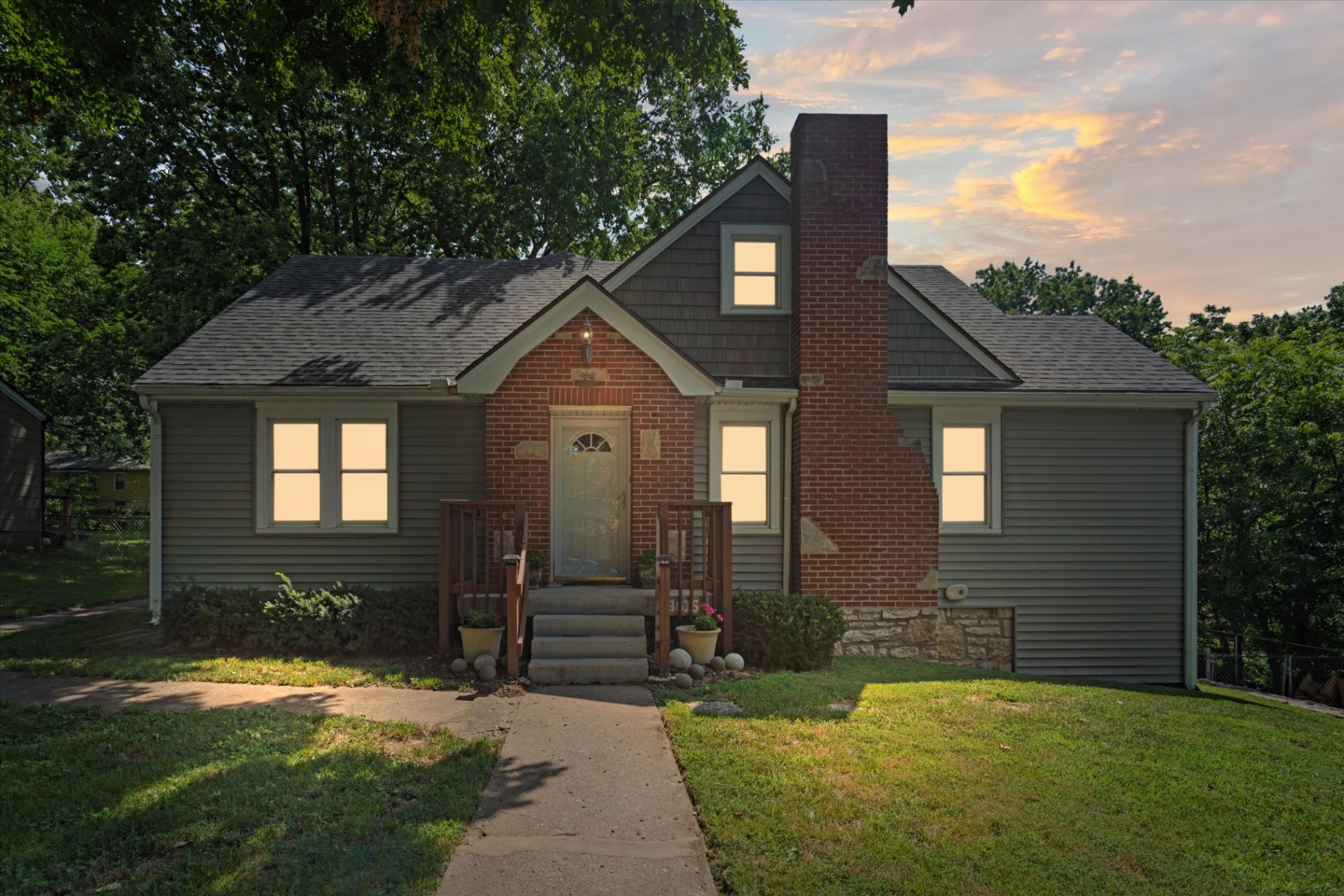
Why overpricing can cost you more
It may seem harmless to list high and reduce the price later. After all, you can always make a change, right?
Sometimes. But an overpriced launch can create several problems.
You miss the most motivated buyers
Many buyers set alerts for new listings. They may be watching homes in a specific price range and neighborhood. If your home is priced above their search limit, they may never see it.
You cannot negotiate with a buyer who never schedules a showing.
Your listing can lose momentum
A new listing often gets its highest level of attention during the first several days. If buyers see the home sitting on the market, they may wait for a reduction.
Some may wonder:
- Is the seller difficult to work with?
- Is there a major repair issue?
- Did the home fail to appraise?
- Is the seller becoming desperate?
Those assumptions may not be fair, but they can affect buyer behavior.
You may end up selling for less
An overpriced home may eventually require a price reduction. By then, you may have lost the early competition that could have produced a stronger offer.
Resist the temptation to price high simply to “test the market.” The market will test your price immediately.
Pricing varies across the Kansas City metro
There is no single Kansas City price-per-square-foot number that works for every property.
A three-bedroom ranch in Prairie Village should not be priced the same way as a three-bedroom ranch in Raytown. A newer home in Lenexa may compete with different properties than an older home in Kansas City’s Waldo neighborhood.
Even within the same community, value can change based on:
- School boundaries
- Lot size
- Basement finish
- Garage capacity
- Updates and remodeling
- Roof, HVAC, and windows
- Walkability
- HOA amenities
- Street traffic
- Proximity to shopping, parks, and major roads
A home near Brookside, Parkville, Shawnee, or the Plaza may appeal to a different buyer than a similar-size home farther from those amenities.
That is why pricing should be based on the most relevant comparable sales: not just a quick online estimate.
The right way to price your Kansas City home
1. Start with recent sold homes
Focus on recent sales, not just current listings.
Active listings are your competition. They are not proof of value. Sellers can ask any price they choose, but the closed sales show what buyers actually paid.
Your agent should look for homes that are similar in:
- Location
- Size
- Age
- Layout
- Condition
- Number of bedrooms and bathrooms
- Basement and garage features
Ideally, the most useful sales are from the last three to six months. In a fast-changing market, older sales may need careful adjustments.
2. Compare your home with the competition
Next, review the homes buyers will see when they search online.
Ask:
- Is my home priced above or below similar listings?
- Do competing homes have better updates?
- Does my home offer something they do not?
- Are buyers getting more square footage for the same price?
- Does my listing stand out in the first five photos?
This is especially important for move-up sellers. Buyers comparing a $450,000 home may expect updated kitchens, finished basements, larger garages, or better outdoor spaces.
Downsizers should also consider buyer expectations. A smaller home can still command a strong price if it offers low-maintenance living, a desirable location, one-level accessibility, or updated mechanical systems.
3. Account for condition honestly
A fresh coat of paint and professional photography can improve your listing. They cannot make an outdated roof or old HVAC system disappear.
Before choosing a price, identify the home’s honest condition:
- Move-in ready
- Well-maintained but dated
- Partially updated
- Needs repairs
- Full renovation or fixer-upper
Then compare it with homes in the same condition.
If your kitchen is original but nearby homes have renovated kitchens, your price may need to reflect that difference. Buyers will notice once they walk through the door.
4. Choose a pricing range, not just one number
Pricing is not always precise. Two qualified professionals may reach slightly different conclusions.
Instead of focusing on one exact number, identify a realistic range:
- Lower end: likely to attract more buyers and faster activity
- Middle: supported by the strongest comparable sales
- Upper end: possible if the home is exceptionally updated or positioned
Then decide where your goals fit.
Are you trying to sell quickly because you already found your next home? Do you need the highest possible net proceeds? Are you downsizing and want a predictable timeline? Your strategy should reflect your situation.
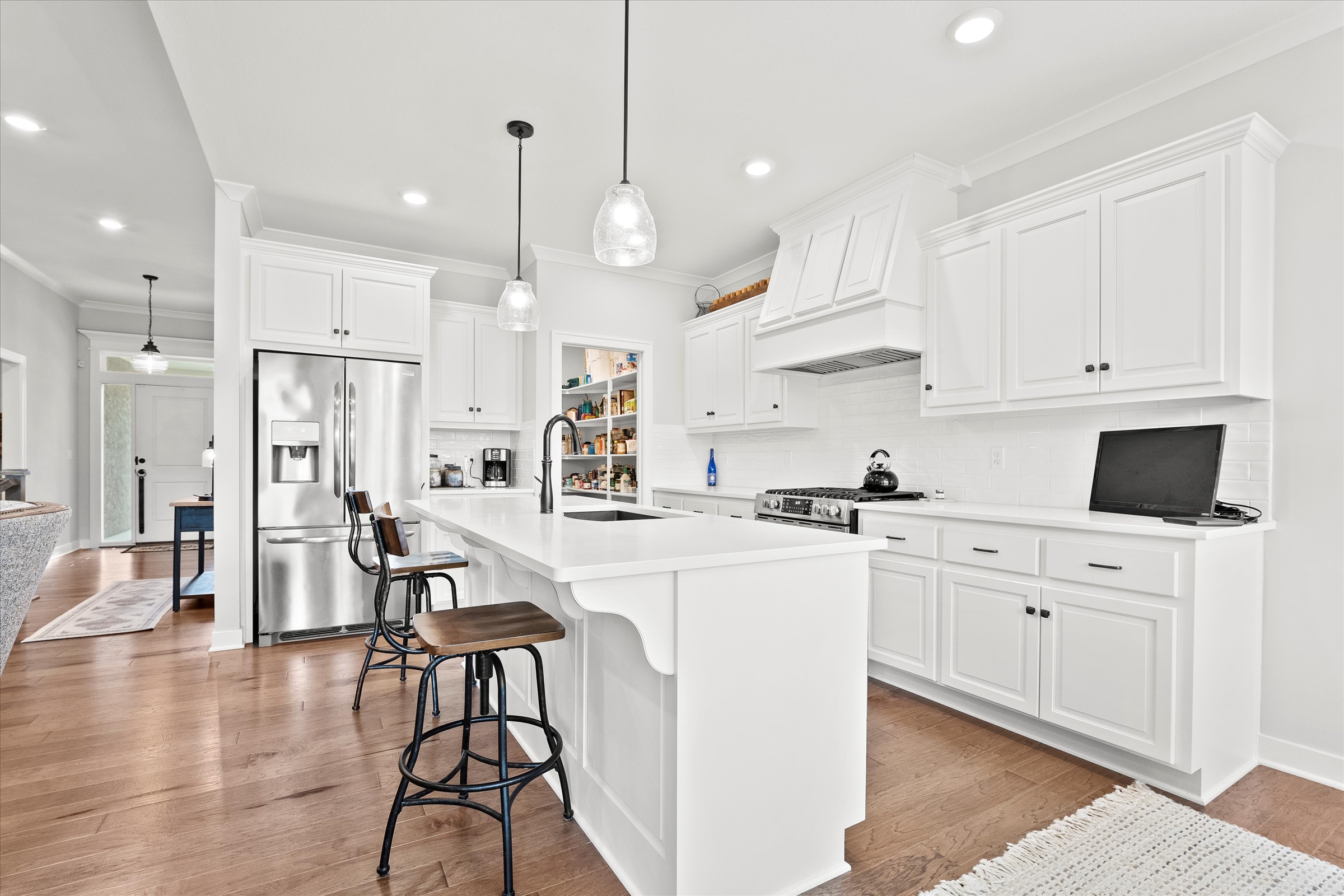
Your first 15 days: a practical seller checklist
Use this checklist with your agent after the home goes live.
Days 1–3
- Are buyers scheduling showings?
- Are online views and saves strong compared with similar listings?
- Is the listing appearing in the right buyer searches?
- Are agents commenting on the price, condition, or presentation?
- Is the home easy to show?
Days 4–7
- How many showings have occurred?
- Are buyers returning for second showings?
- Has anyone discussed an offer?
- Are buyers comparing the home with a specific competing property?
- Do the photos accurately represent the home?
Days 8–15
- Is showing activity increasing or slowing?
- Is the home receiving offers or only general interest?
- Are repeated objections related to price?
- Have new competing listings changed the comparison?
- Should the price or marketing strategy be adjusted?
You do not need to panic if an offer does not arrive immediately. Some homes need more time because of their price point, location, or buyer pool.
But you should pay attention to patterns. If qualified buyers consistently say the home is priced too high, that feedback matters.
Trust the data: and your agent’s advice
Pricing your home can feel personal. You know what you invested in improvements. You remember the years spent maintaining the property. You may also be counting on the sale to fund your next home.
That is understandable.
Still, buyers do not price a home based on memories or renovation receipts. They compare it with other homes available today.
A local agent can help you separate emotional value from market value. The goal is not to undersell your home. It is to position it so the right buyers recognize its value quickly.
If you are curious what your Kansas City area home may sell for in today’s market:
- Visit the Reside In Kansas City seller resources.
- Gather a list of recent updates, repairs, and improvements.
- Think about your ideal timeline and next move.
- Contact Reside In Kansas City for a practical conversation about your options.
Whether you are moving up from a starter home or downsizing into something easier to manage, the right price can give you more choices, stronger early activity, and a smoother move.
